The Institute of Latin American Studies (ILAS), at Columbia University, hosted the seminar entitled “Migration and Political Development in Brazil”, presented by Alexandre Gori Maia. The seminar discussed how social networks shaped by internal migration flows have affected the political development in Brazil. The study developed by Alexandre Gori and Yao Lu (Columbia University) shows how migration increases electoral competition and the political participation of those left behind.

Read More


Cash transfers have been the most traditional policy to fight poverty and inequality in developing countries. These programs provide a small amout of income for poor families, sometimes imposing conditionatilies such as health and education commitments. An additional source of income will naturally reduce the budget contraints of beneficiary families. But how beneficiaries feel about the improvements in their lives? The paper recently published by Daniel Morales Marinez and Alexandre Gori Maia at the Journal of Family and Economic Issues analyzed the case of the Colombian Mas Familias en Acción. The authors show that transfers tend to increase the self-reported perceptions of poverty and income insufficiency. Cash transfers do not provide a stable source of income and the beneficiaries clearly recognizes their social vulnerability. But the benefits of conditionalities on health and education, which link the transfers to investments in human capital, are largely recognize by beneficiary families. 

Read More


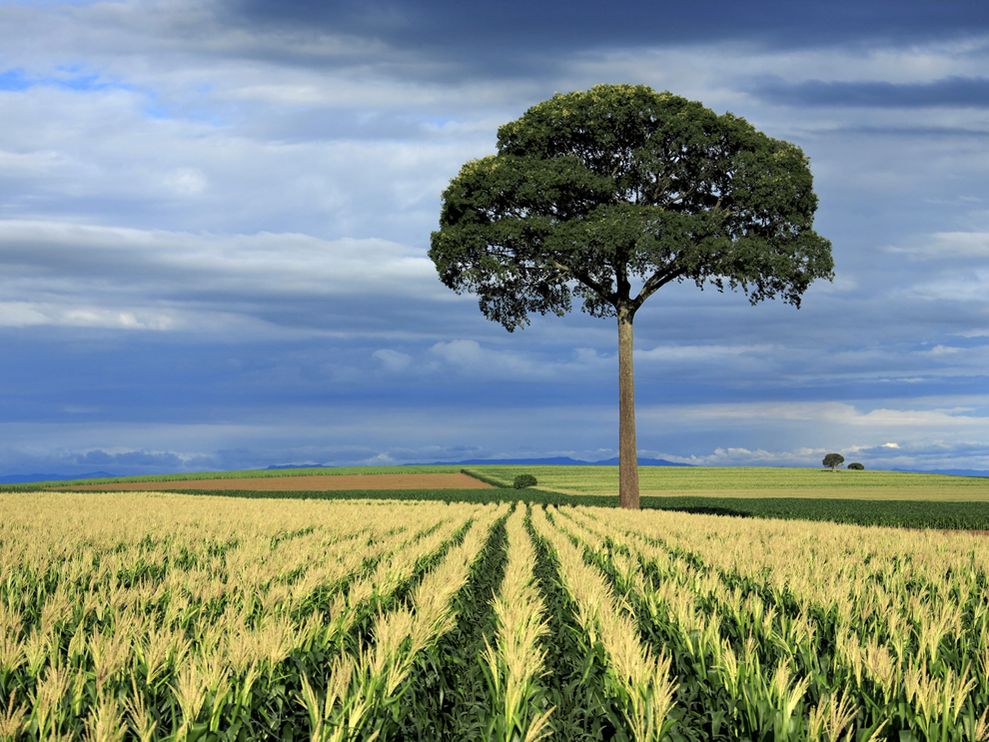
Roughly 70% of São Paulo's territory is dedicated to agriculture, which has suffered increasing threats from climate change, especially through prolonged droughts and increasing instability. Agronomic adaptions and investments in new technologies have been the main strategy to mitigate the impacts of climate change. The paper recently published by Alexandre Gori Maia, Bruno Miyamoto and Junior Garcia at the journal Ecological Economics highlights how the benefits of adaptation may differ substantially according to the provision of ecosystem services. In other words, technologies may be necessary but not sufficient to mitigate the impacts of climate change on agricultural development. This is particularly true because degraded areas can disrupt important ecosystem services, such as the surface water balance, compromising the adoption of irrigation systems. 

Read More


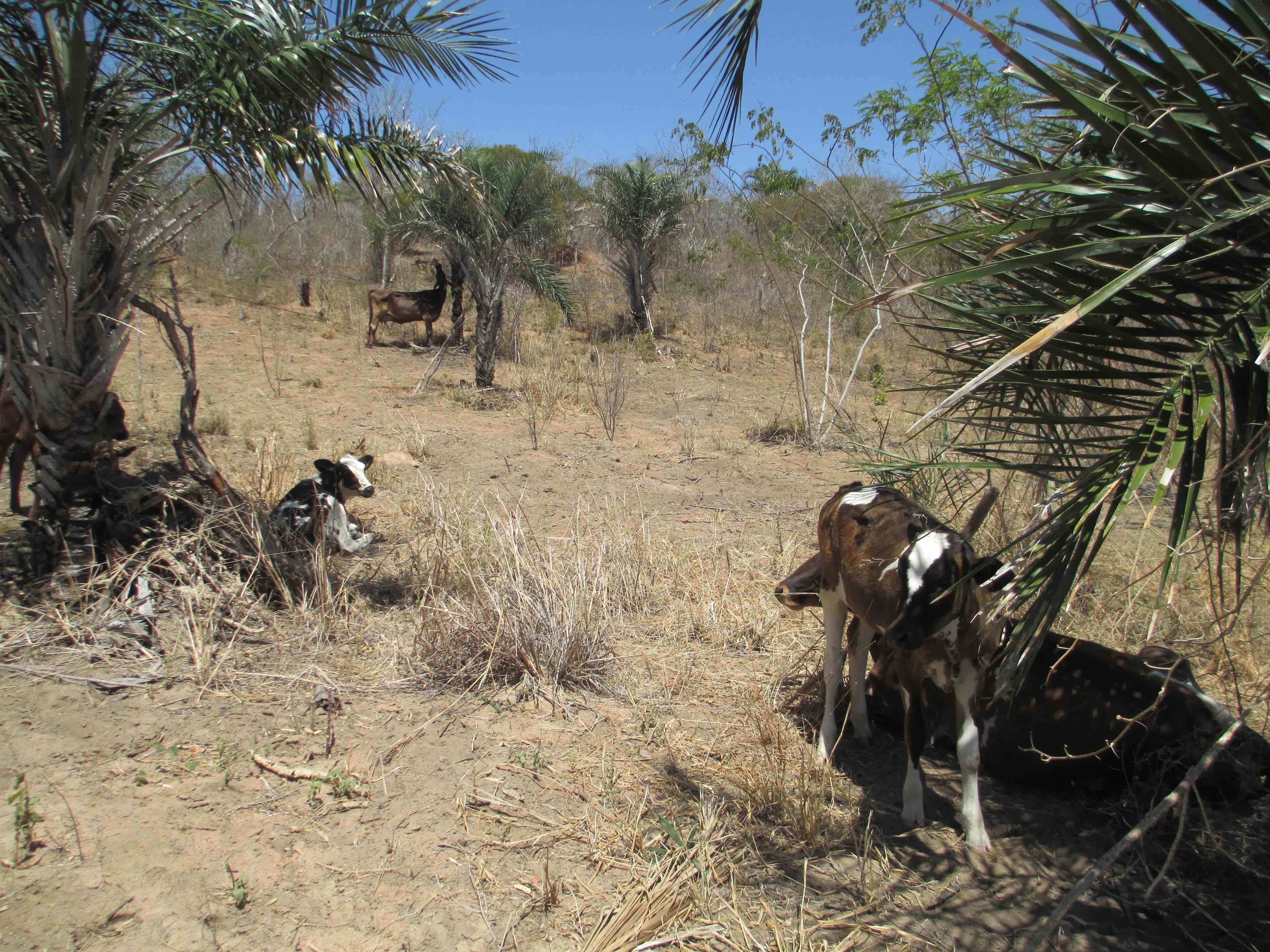
The climate change observed in the Brazilian Sertão in the last 40 years is remarkable. Average temperature has risen at a rate of 0.26oC per decade, and the number of days without rain over the year increased from an average of 254 in the 1970s to 275 in the 2010s. The paper recently published by Alexandre Gori Maia and colleagues at the International Journal of Climate Change Strategies and Management highlights how farmers tend to shift their activities mainly to cattle and dairy farming in response to increasing temperatures. Although the overall productivity tends to reduce with the recurrence of droughts, several measures to mitigate the impacts of more extreme climate conditions have successfuly proven to improve the agricultural production of small impoverished farmers.  

Read More


The Institute of Latin American Studies (ILAS), at Columbia University, hosted the seminar entitled “Migration, Development and Inequality in Brazil”, presented by Alexandre Gori Maia. The seminar discussed the recent process of rural out-migration in Brazil, highlighting its determinants and impacts on socioeconomic inequalities in origins and destinations.

Read More